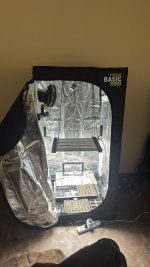
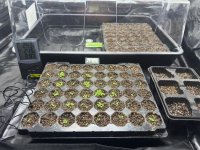
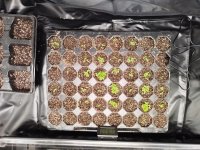
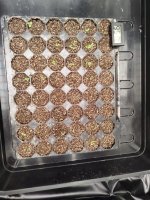
I placed my order for my biologicals today, I worked on recommendation, what pests and diseases I’m likely to encounter here and research. May the good people at North Carolina State be blessed and continue doing the great work. Unfortunately with times changing the new resources are getting less and less.
The order, (below is AI generated, I am not even going to attempt to write these names)
1. Delfin WG — (100 g)
The caterpillar killer. Active ingredient is Bacillus thuringiensis var. kurstaki, a naturally occurring soil bacterium. Caterpillars (budworm, leafminers' larval stage, hornworm types) have to eat sprayed leaf, and the Bt toxins shut down their gut within hours. They stop feeding almost immediately and die within a day or two. Only works on caterpillars, harmless to bees, ladybirds, earthworms, and you.
2. Eco-Bb — (40 g)
The insect-fungus. Active ingredient is Beauveria bassiana strain R444, a fungus that infects insects through their skin on contact. Spores land on the pest, germinate, grow into the insect, and kill it over a few days. Registered against whitefly, red spider mite, leafminer, Tuta absoluta, mealybug, and more. Fun fact: this strain was isolated from soil in Clanwilliam, so it's adapted to hot, dry South African conditions. Spray in the evening, UV kills the spores.
3. Double Nickel 55 — (100 g)
The disease shield. Active ingredient is Bacillus amyloliquefaciens strain D747 — a beneficial bacterium that colonises the leaf surface, outcompetes pathogens for space and food, and produces natural antifungal/antibacterial compounds. Foliar spray against things like frogeye, powdery mildew, and bacterial leaf spots. This is my preventative layer — sprayed before disease shows up, at the 4–5 week mark and again before topping. Studies on tobacco have shown Bacillus-based products performing on par with chemical fungicides for several tobacco diseases.
4. Eco-T — (40 g)
The root-zone bodyguard. Active ingredient is Trichoderma asperellum, a beneficial fungus that lives around roots, attacks soil pathogens like Fusarium, Pythium, and Rhizoctonia (the damping-off and root-rot gang), and stimulates root growth. Goes on as a soil drench. I’m a bit late with this and might not use it on my current planted seedlings, but will apply it when I transplant the Olor.
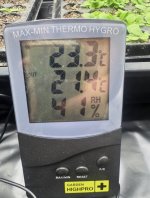
I really hope to get them in good condition. Going to try my best to keep temps down during transport.
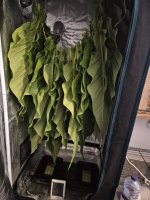
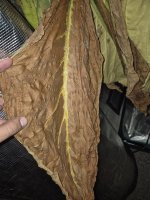
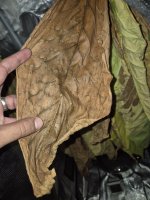
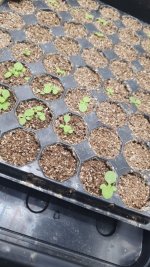
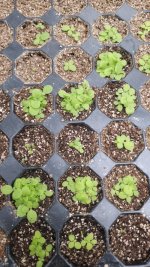
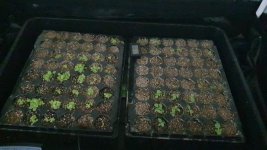
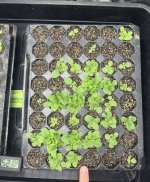
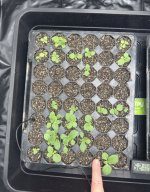
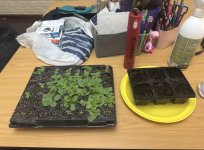
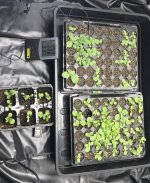
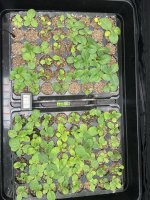
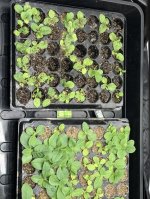
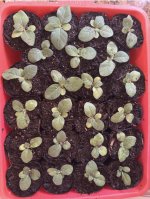
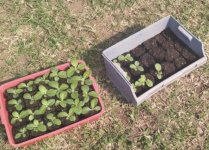
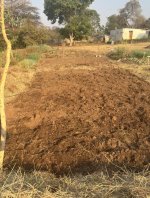
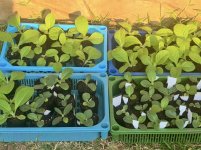
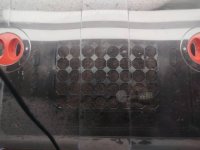
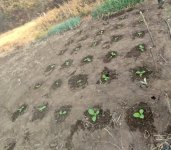
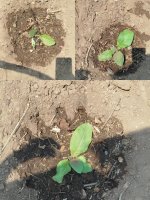
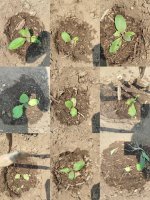
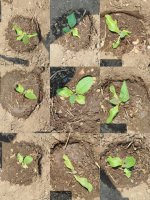
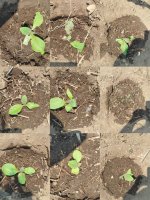
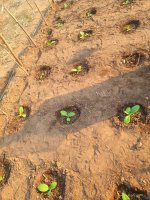
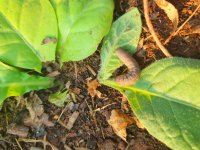
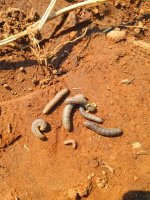
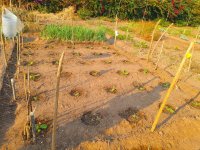
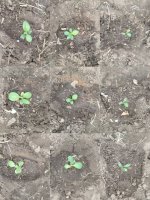
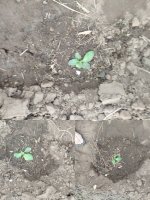
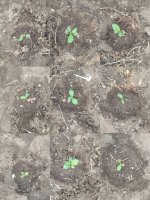
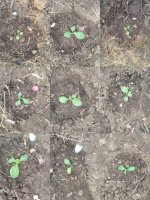
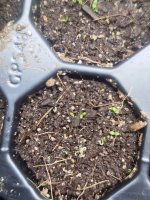
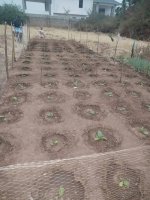
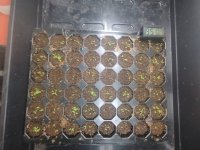
Photo updates,
Broadleaf 1,
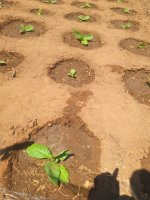
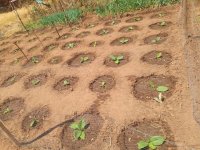
Mixed field,
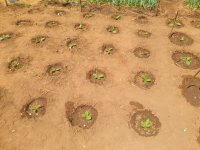
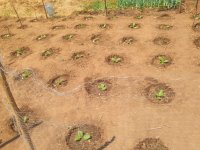
Broadleaf 2,
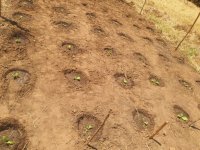
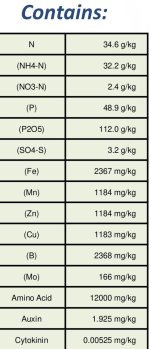
Mixed got its first 6-1-3 application.
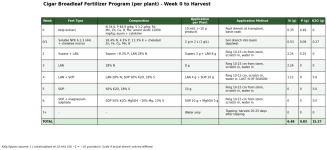
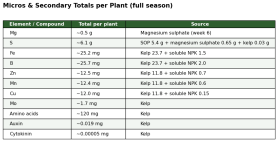
I have managed to source LAN, MAP and SOP so fertilizer for the season is sorted as well.
I guess we now wait.